

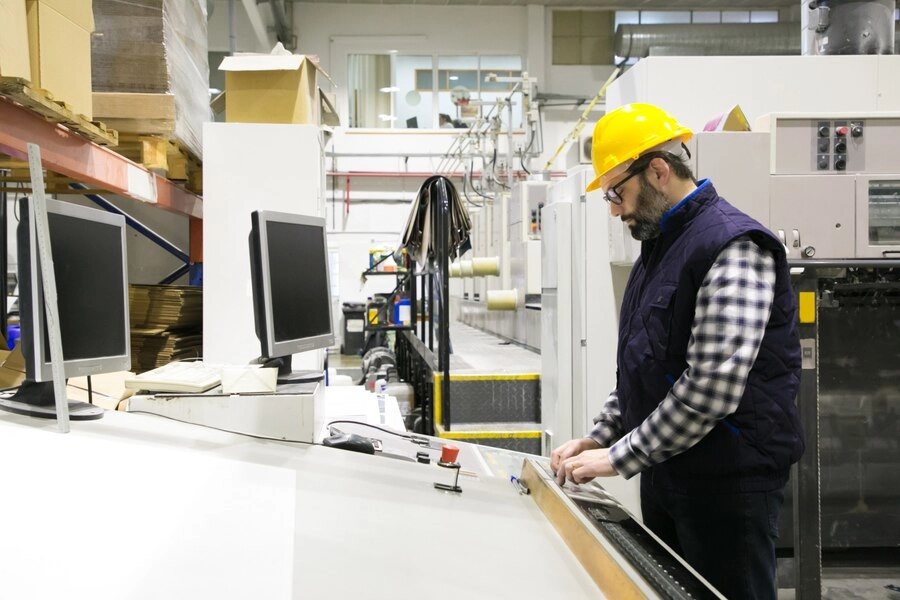
In the fast-paced world of business, operations are the engine that drives everything forward. When running smoothly, they enable companies to deliver products and services efficiently, meet customer demands, and stay ahead of the competition. But when operations falter, even the best business strategies can fall apart. That’s why operations improvement is more than just a buzzword—it’s a crucial element for sustaining growth and achieving long-term success.
Understanding the Impact of Operations
Operations encompass everything from production and supply chain management to customer service and internal processes. At its core, operations are about how work gets done. It’s the behind-the-scenes activity that keeps the wheels turning, ensuring that every part of the business functions seamlessly.
The impact of effective operations is far-reaching. For one, it can significantly reduce costs by eliminating inefficiencies, whether through better resource management, streamlined processes, or enhanced use of technology. Beyond cost savings, optimized operations lead to faster turnaround times, higher quality products, and improved customer satisfaction—all of which contribute to a stronger bottom line.
Identifying Bottlenecks and Inefficiencies
Every business, no matter how well-run, has areas where operations can be improved. These might include outdated processes, redundant tasks, or bottlenecks that slow down production or service delivery. Often, these inefficiencies go unnoticed because they’ve become part of the routine. However, when left unaddressed, they can drain resources, frustrate employees, and ultimately impact the customer experience.
Identifying these pain points requires a keen understanding of the business’s day-to-day operations. It’s about digging into the details, asking the right questions, and being willing to challenge the status quo. Sometimes, it takes an outside perspective to uncover these issues—a fresh pair of eyes can often see what those entrenched in the process might miss.
Embracing Technology for Smarter Operations
One of the most powerful tools for operations improvement is technology. From automation to advanced analytics, technology can revolutionize how businesses operate. It can take over repetitive tasks, freeing up employees to focus on more strategic activities. It can provide real-time data that helps managers make informed decisions. And it can streamline communication and collaboration across departments, breaking down silos that often hinder efficiency.
For instance, automation can significantly reduce the time spent on manual tasks like data entry or inventory management. Analytics can help companies better understand their operations by highlighting trends, predicting outcomes, and identifying areas for improvement. And cloud-based platforms can facilitate seamless communication and collaboration, ensuring that everyone is on the same page.
But technology alone isn’t a magic bullet. It needs to be implemented thoughtfully, with a clear understanding of the business’s needs and goals. It’s also crucial to ensure that employees are trained and comfortable with new systems—technology should empower teams, not overwhelm them.
The Role of Leadership in Operations Improvement
Improving operations isn’t just about making technical adjustments; it’s about fostering a culture of continuous improvement. This starts at the top. Leadership plays a pivotal role in driving operational excellence. Leaders must set the tone, encouraging innovation and rewarding efficiency. They need to be champions of change, showing the way forward and ensuring that the entire organization is aligned with the goal of operational improvement.
Moreover, leaders should be open to feedback from all levels of the organization. Often, the best ideas for improvement come from those on the front lines—the employees who deal with operational challenges daily. By listening to their insights and involving them in the improvement process, leaders can tap into a wealth of knowledge and experience that can drive meaningful change.
Creating a Culture of Continuous Improvement
Operations improvement isn’t a one-time project; it’s an ongoing effort. The most successful companies are those that continuously seek ways to do things better. They don’t rest on their laurels—they are always looking for new opportunities to refine their processes, adopt best practices, and push the boundaries of efficiency.
This culture of continuous improvement requires buy-in from the entire organization. Employees at all levels need to feel empowered to identify inefficiencies and propose solutions. It’s about creating an environment where innovation is encouraged, where mistakes are seen as learning opportunities, and where the status quo is constantly challenged.
The Long-Term Benefits of Operational Excellence
When a company invests in operations improvement, the benefits extend far beyond immediate cost savings. Over time, these improvements lead to increased agility, allowing the business to respond quickly to market changes and customer demands. They also build resilience, enabling the company to withstand disruptions and challenges more effectively.
Moreover, a commitment to operational excellence can enhance a company’s reputation. Customers notice when a business consistently delivers high-quality products or services on time and without issues. This reliability fosters trust, leading to stronger customer relationships and long-term loyalty.
In the end, operations improvement is about unlocking the full potential of a business. It’s about ensuring that every part of the operation is working at its best, driving success not just today, but well into the future.
